
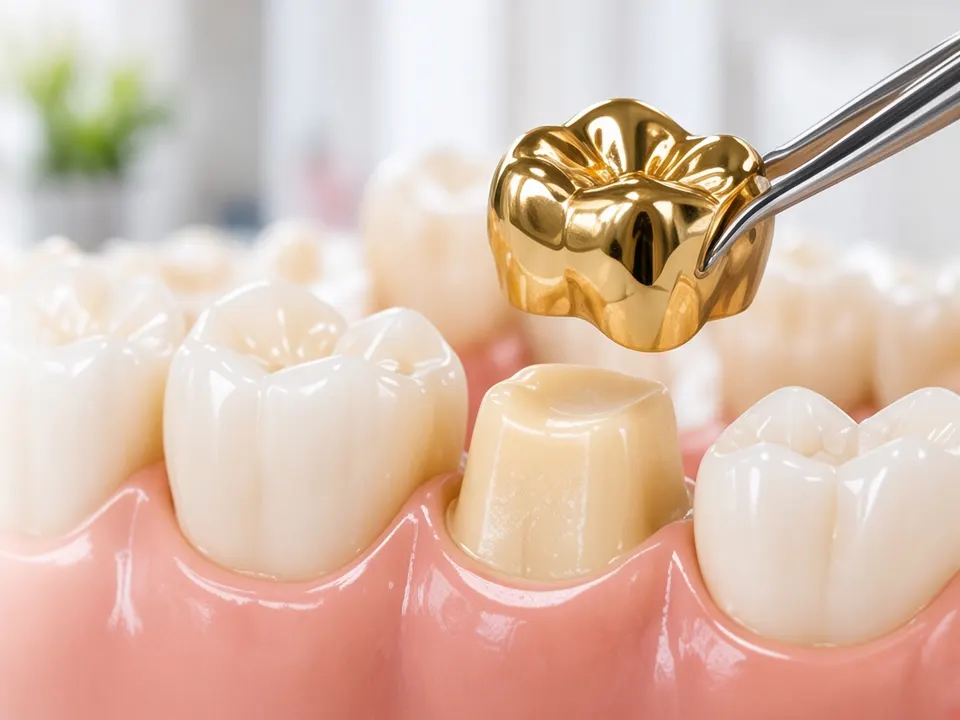
Gold Dental Crowns in Waukegan
Strength for the teeth you rely on.
Explore a gold-alloy crown option to restore and protect a tooth when recommended for your needs.
- Full-tooth coverageHelps protect and restore a damaged tooth.
- Material options explainedLearn about gold and other crown materials.
- Fit and bite reviewedWe'll check how the crown fits with your bite.
What is a gold crown?
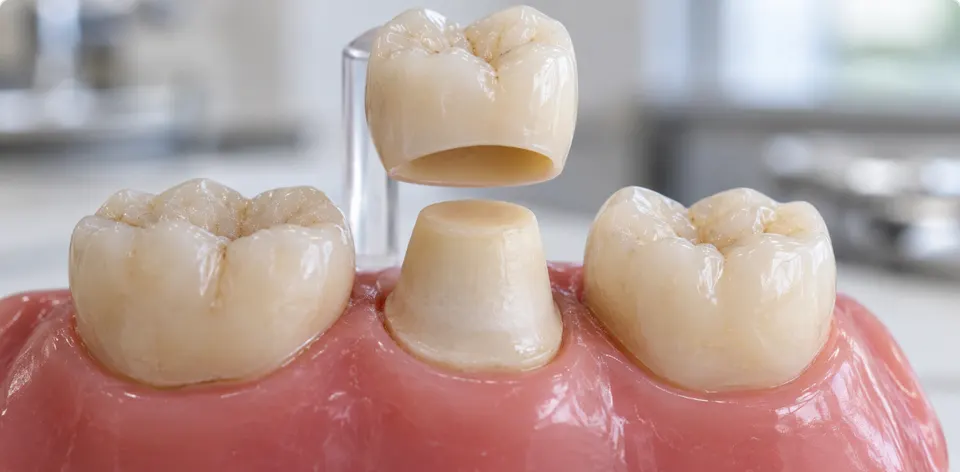
A gold crown is a custom restoration made from a dental metal alloy that includes gold. It covers the visible part of a prepared tooth to restore its shape and support function.
Gold crowns are not usually pure gold. Your dentist can discuss the alloy, appearance, and suitability.

When might a crown be considered?
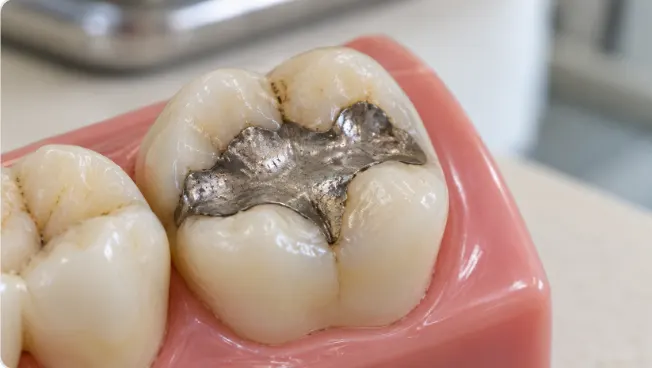
A weakened tooth
A tooth with a large filling or extensive damage may need coverage.
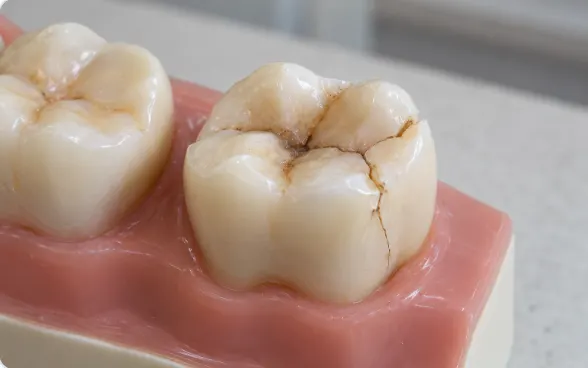
A broken or worn tooth
An evaluation helps determine whether the tooth can be restored.
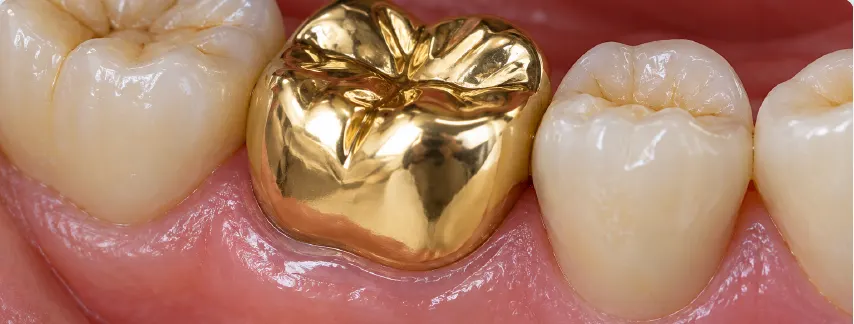
A back tooth under load
Material choice considers chewing forces, tooth location, and bite.
An existing crown concern
Discuss a crown that feels loose, damaged, or uncomfortable.
Choose a material with a clear understanding.
Discuss where the tooth sits, how it functions, and how visible the restoration will be.
- Review tooth structure and bite
- Discuss appearance and material preferences
- Share any metal allergy history
- Compare costs and maintenance

Gold or tooth-colored crowns?
| Consideration | Gold-alloy crown | Tooth-colored crown |
|---|---|---|
| Appearance | Metallic finish | Designed to resemble tooth color. |
| Material | Dental alloy containing gold and other metals | Ceramic or other tooth-colored options. |
| Planning | Depends on tooth condition, bite, and preferences. | Depends on tooth condition, bite, and preferences. |
| Maintenance | Requires daily care and dental reviews. | Requires daily care and dental reviews. |
No crown material is right for every tooth. Your dentist will explain suitable choices.
Your crown treatment, step by step.
- EvaluateExamine the tooth and review treatment options.
- Prepare & recordPrepare the tooth and take the records needed for fabrication.
- Fit & placeCheck fit, contacts, and bite before final placement.
- Review & maintainFollow care instructions and ongoing checkups.
A temporary crown may be used while the final restoration is made. Timing varies.
Protect your crown—and the tooth beneath it.
- Brush & clean between teethKeep the crown margins and nearby gums clean.
- Protect your biteAvoid using teeth as tools and discuss grinding habits.
- Keep dental reviewsReport changes in comfort, fit, or bite.
The tooth beneath a crown can still develop decay. Daily care and regular evaluations remain important.
Know your options and estimated costs.
We'll review recommended treatment, material choices, payment options, and insurance questions. Coverage and out-of-pocket costs vary.

Gold crown questions
- Will the crown look like a natural tooth?
Gold-alloy crowns have a metallic appearance. Discuss visibility and alternatives.
- How long can a gold crown last?
Longevity varies with tooth health, bite, habits, fit, and ongoing care.
- Can I have one if I have metal allergies?
Tell your dentist about allergies so materials can be reviewed before treatment.
- Does a gold crown mean the tooth cannot decay?
No. The underlying tooth and crown margins still need daily care and dental reviews.