

Gum Disease Treatment in Waukegan
Healthier gums. A stronger foundation for your smile.
Bleeding, tenderness, or changes in your gums? Start with an evaluation and a care plan tailored to your needs.
- Understand your gum healthWe'll evaluate your gums and explain what we find.
- Personalized treatment optionsWe'll discuss care suited to your needs and goals.
- Ongoing maintenanceRegular follow-up helps keep your gums and smile healthy.
Healthy smiles start with healthy gums.
Gum disease affects the tissues that support your teeth. An evaluation helps identify inflammation, infection, and changes in tooth support so your dentist can recommend appropriate care.
Gum disease can develop with few noticeable symptoms. Regular evaluations matter.
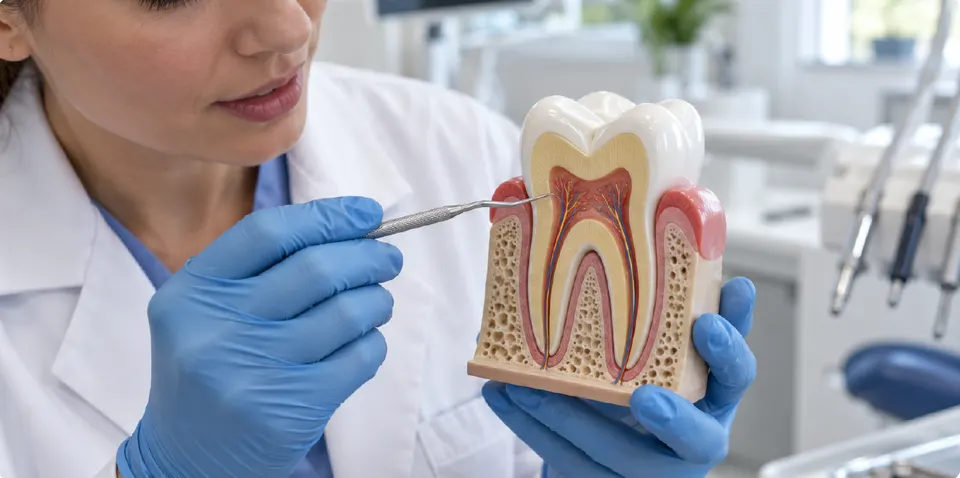
Signs your gums need attention.

Bleeding or tender gums
Bleeding during brushing or flossing deserves a dental evaluation.
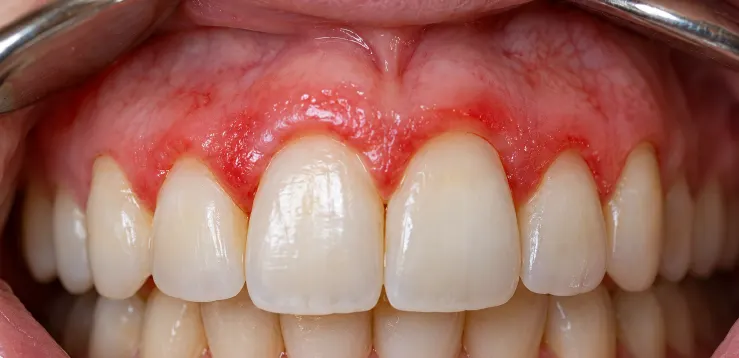
Redness or swelling
Changes in gum appearance may signal inflammation.

Persistent bad breath
Ongoing bad breath can have several causes, including gum concerns.
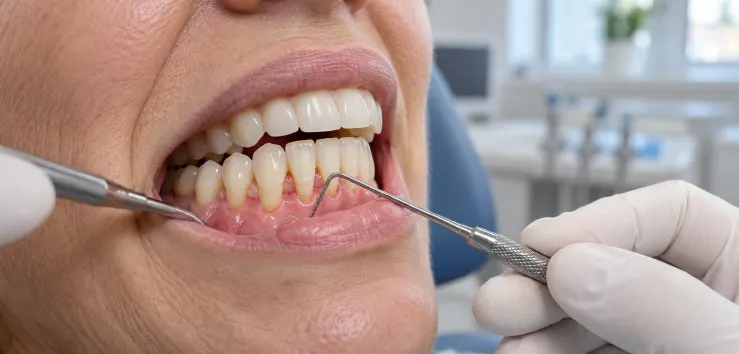
Recession or loose teeth
Exposed roots, shifting teeth, or looseness should be checked.
These signs do not confirm a diagnosis. Your dentist will evaluate the cause.
Gingivitis and periodontitis: what’s the difference?
- GingivitisInflammation of the gums without loss of supporting bone. Professional care and improved home care can help.
- PeriodontitisGum disease involving loss of tooth support. Treatment and ongoing maintenance aim to control disease and protect remaining support.
Care matched to your gum health.

Professional Cleaning & Home Care
For appropriate cases, remove buildup and improve daily plaque control.
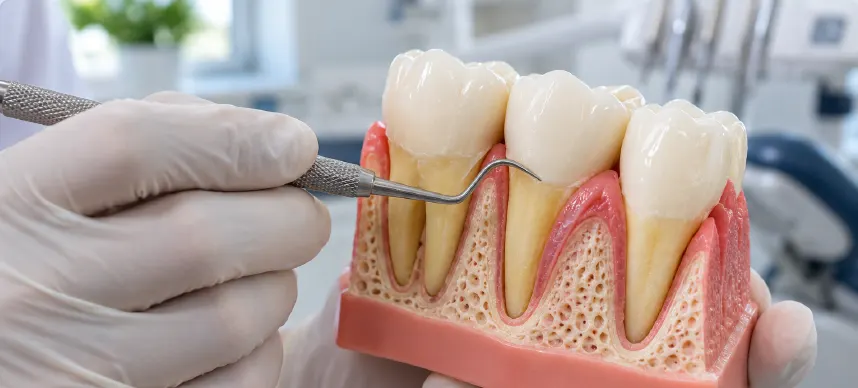
Scaling & Root Planing
A deeper cleaning below the gumline when recommended for periodontal disease.

Periodontal Maintenance & Referral
Ongoing visits and specialist care may be recommended based on your needs.
Recommended treatment depends on your evaluation. Additional care or a periodontist referral may be needed.
A clear picture. A practical plan.
We'll explain what we find, what treatment may help, and how to care for your gums between visits.
- Evaluate gums and pocket depths
- Review X-rays when indicated
- Discuss treatment, comfort, and costs
- Plan your follow-up care

Your path to healthier gums.
- EvaluateReview symptoms, gum measurements, and tooth support.
- TreatChoose care suited to your diagnosis and needs.
- MaintainKeep up with home care and recommended follow-up visits.
Support your gums between visits.
- Brush gently twice dailyUse fluoride toothpaste and follow brushing guidance.
- Clean between teethAsk which tools and techniques fit your needs.
- Keep maintenance visitsFollow your personalized care schedule.
Deep cleaning is different from routine cleaning. Your dentist will explain why a specific type of care is recommended.
Understand your care before you begin.
We'll review treatment recommendations, estimated costs, and payment options. Insurance benefits vary by plan.

Gum treatment questions
- Is bleeding when I brush normal?
Frequent bleeding should be checked. Your dentist can evaluate possible causes.
- Will I need a deep cleaning?
That depends on your gum evaluation and whether periodontal disease is present.
- Can gum disease come back?
Ongoing home care and maintenance are important for long-term disease control.
- How often will I need maintenance?
Your dentist will recommend a schedule based on your condition and response to care.